
Sub-Total: $0.00
How To: Seal Timber
November 5, 2023/
How To: Seal Timber – Creating with resin and natural timber slabs can create stunning and unique results. However, before diving into the resin pouring process, it’s crucial to properly seal the timber to prevent moisture contamination. In this blog post, we’ll briefly explore the importance of sealing timber and provide a step-by-step process on how to seal timber for a successful resin pour.
Understanding the Importance of Sealing Timber – Sealing timbers is a very important step of the resin process, to ensure that you end up with a flawless finish. Without sealing timbers, you expose your resin to potential risks of moisture contamination. Moisture Contamination can then lead to: warping, bubbling, and resin adhesion issues. We have another blog post, where we go in depth to why it is important to seal your timber. We recommend you read that here.
Selecting the Right Sealer – There are a number of products on the market that can be used for sealing timber. Generally woodworkers and resin hobbyists’ will use the epoxy resin itself, similarly to how Art Tree Creations are in this video. Whilst this can be a good option and it may work. Over the years, we have seen de-lamination occur between the resin and timber on a very large scale. Why? This is largely due to the different expansion and contraction rates between the resin and timber. If you’re selling your projects, the last thing you want is for a customer to come back months or years later explaining their table or similar has split or cracked.
One product we highly recommend and have been using for many many years now is our U COAT Sealer. This product is particularly easy to apply, being a single-pack, water-based, polyurethane product. But why would you use a water-based product? Won’t that react with the resin which we are trying to avoid? In Theory it does seem like the water would react with the resin, however this is not the case with our particular product. The water evaporates whilst drying to then leave a thin polyurethane coating over the timber. By using this water-based product, will allow for deeper penetration into the timber which will not only create an excellent barrier but also allow for better adhesion between the resin and timber.
Polyurethanes, Gesso and various other products have been known to work also. When selecting one of these types of products, it is important that there is no colour to the product, that could impact the timber. As well as ensuring the sealant is thoroughly dried before applying resin to avoid any other form of contamination.
Preparing the Timber for Sealing – Before working with any timber, you will need to know the moisture reading. Any timber with a moisture content of more that 12% can still be considered “green” and not a reliable option to use with resin. Return your wood to a kiln or allow it to continue drying in a dry and flat location. Ideally you want to work with extremely dry timber with a reading of 9% or below.
Once you have dry timber that is ready to use, sand and chisel out any splinters, imperfections or knots in the timber, so you have a clean and smooth surface to work with. This process can be done later, however it is easier to do at the beginning so you aren’t having to patch up any missed areas.
Applying U COAT Sealer – Shake the bottle of U COAT Sealer for 1-2 minutes before use. This product can often seperate over time, so it is important to make sure everything is well combined. Pour a small amount (making sure you tighten your lid straight after use) into a container, and using a paint brush or roller begin applying a thin coat over the entire timber area. Unlike our epoxy resins, this product is water-thin so it is easy and super thin to apply and spread.
Once you have brushed or rolled the sealer, allow it to dry. (Curing times will vary depending on temperature – read product instructions for more information.) Once the sealer is touch dry, apply an additional coat. We always recommend a minimum 2-3 coats, allowing the sealer to become touch dry, in between each coat. Additionally, you can sand the sealer back once dried before applying the next coat, however this is not necessary to do.
Generally speaking, 2-3 coats will suffice. However, in some timbers 2-3 coats will not be enough. Timbers that are more porous like Camphor Laurel or those that still have a higher moisture content (9-12% +) are more likely to need additional coats. When we personally work with Camphor Laurel, we would apply 5-7 coats.
How will I know how much will be necessary? It will be fairly noticeable once you have begun the sealing process. If you begin to notice the timber is absorbing the first few coats of sealer quite quickly, then this is a sign that additional coats will need to be applied. Your timber will essentially look like you have not even coated it.
You can’t really have “too many” coats of sealer, as long as your coats are fairly thin and are drying well in-between. If you were to pour the coats of sealer, then you will notice it will take longer to dry, as well as create a milky-like film that could potentially peel off. This is due to having excess sealer on the timber. If this does occur, peel or sand the sealer right off and brush a thinner coat on.
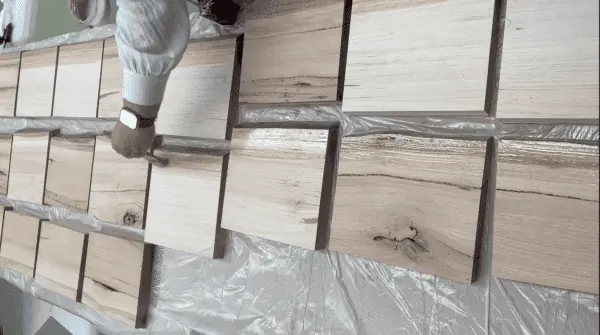
Curing and Checking the Sealed Timber – Once you have applied your final coat of sealer, we would suggest letting the sealer cure for a few days before working with resin. Allow the timber to sit in the sun (but don’t leave it outside overnight) or use a small heater fan to help speed up this process, if necessary.
Top Tip: As as added measure to ensure excellent adhesion, lightly sand back the final layer of sealant and wipe clean with a dry rag. This will give the resin a more ‘gritty’ surface to stick too.
Now that your timber is sealed, dried and sanded, it’s time to apply to you mould and begin the next step of the process – resin pouring. We have an E-Book available where we go in depth of creating a Resin River Table, including the sealing process.
For all our ‘visual learners’ we have a video on our YouTube Channel where we apply U COAT Sealer to a Camphor Laurel River Table in preparation for one of our River Table Workshops. You can watch here.
By following the recommended process and utilising a Sealer, you can confidently create stunning resin art with natural timber slabs whilst ensuring its longevity. Remember to take your time, allow for proper curing, and enjoy the process of turning timber into a captivating and unique masterpiece.
Posted in Blog
